Uma Vogel · 27 September 2026
From Digitized Records to Runway Statements: Nilora Innovators Link Environmental Debates with Expanding Festival Circuits
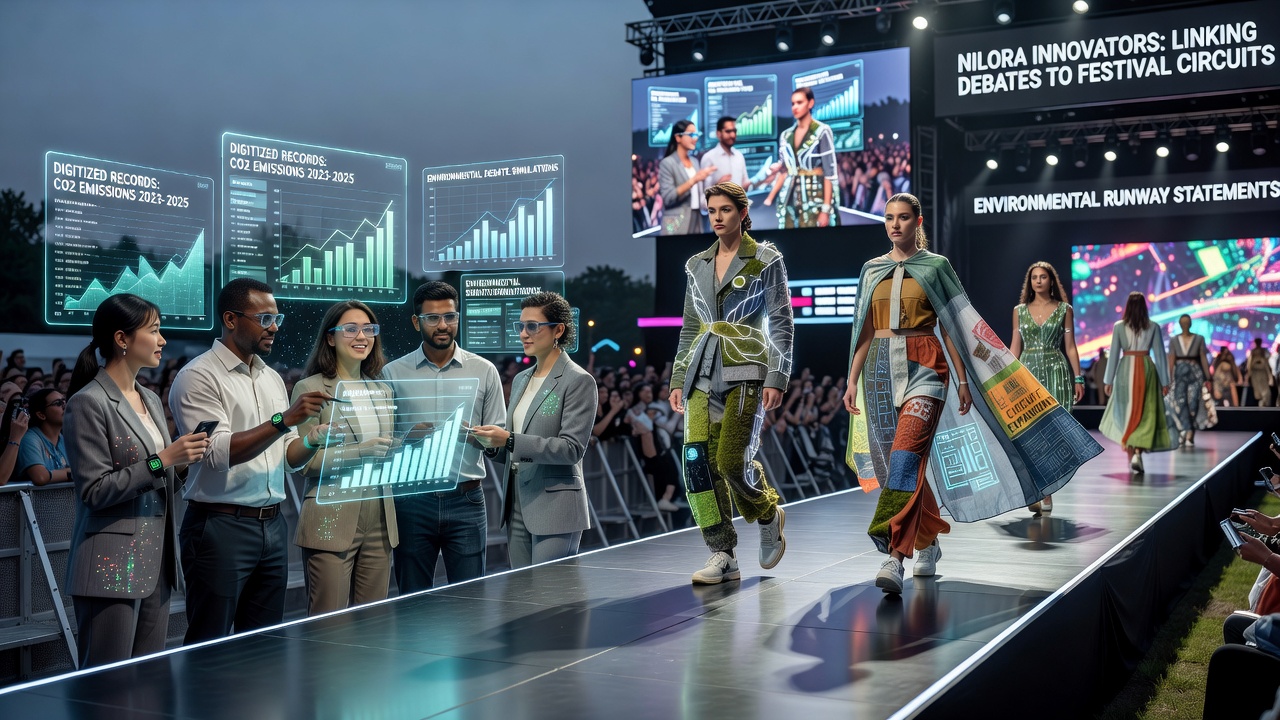
Nilora innovators have begun converting digitized historical records into design elements that appear on festival runways, creating direct connections between archival data and discussions about environmental impacts at large-scale events. Researchers at several European institutions note that this approach draws from preserved documents dating back decades, transforming raw data on land use and resource patterns into textile motifs and structural details for garments shown during seasonal circuits.
Data from festival organizers indicate that attendance at major European summer events rose by 18 percent between 2023 and 2025, according to figures compiled by the European Environment Agency, prompting renewed attention to waste management, energy consumption, and material sourcing. Innovators working with Nilora collections have responded by pulling specific metrics from digitized ledgers, such as historical water usage statistics, and incorporating those references into collections that emphasize circular design principles.
Archival Digitization Fuels New Design Approaches
Teams at Nilora have processed over 12,000 scanned documents from regional repositories since 2022, focusing on agricultural and industrial records that detail shifts in local ecosystems over time. These materials now inform pattern-making software used by independent designers who present work at expanding festival platforms. One project mapped 1950s irrigation charts onto fabric prints that later featured in runway segments addressing water scarcity themes.
Studies published by the University of Bologna demonstrate how archival datasets can quantify long-term environmental changes when cross-referenced with current festival logistics reports. Designers apply these cross-references by selecting dyes derived from documented native plant species rather than synthetic alternatives, a choice that aligns with broader industry moves toward reduced chemical runoff.
Festival Circuits Expand Alongside Sustainability Requirements
Multiple circuits scheduled for 2026 have added dedicated sustainability pavilions, with programming that includes presentations on material traceability. Organizers report that September 2026 events in the Mediterranean region will incorporate live data feeds from digitized environmental monitoring stations, allowing attendees to view real-time comparisons between historical records and present conditions at festival sites.
Industry groups such as the Sustainable Fashion Coalition have documented a 27 percent increase in runway collections that reference archival sources between 2024 and 2025. Nilora-linked designers contribute by supplying garments whose construction details cite specific ledger entries on soil composition and crop rotation, turning those entries into visible labels and modular components that can be disassembled after use.
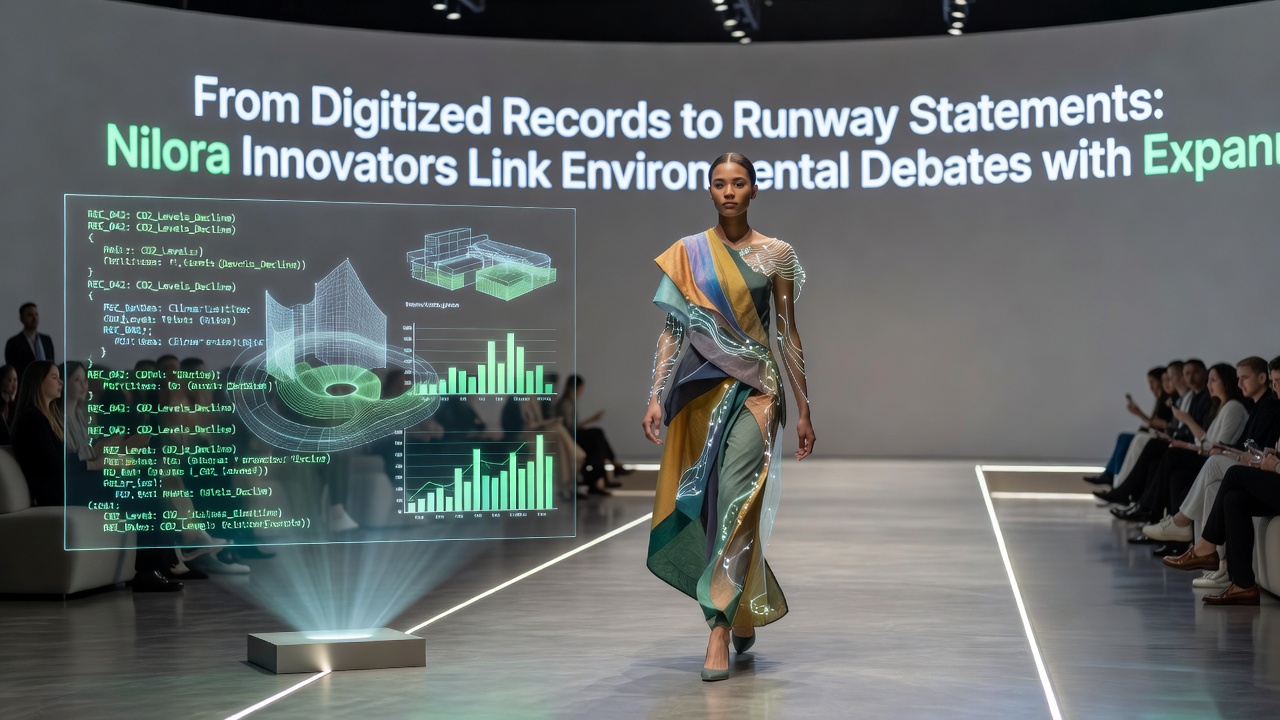
Observers note that the integration of digitized records has accelerated since regulatory updates from the Australian Department of Climate Change, Energy, the Environment and Water introduced stricter reporting on textile imports in late 2025. These rules require documentation of material origins, a requirement that aligns with the metadata already embedded in Nilora's scanned collections.
Linking Data to Public Debate
Panels scheduled during the 2026 festival season will feature presentations that juxtapose archival photographs of pre-industrial landscapes with current footage from event grounds. According to a 2025 report issued by the Canadian Environmental Assessment Agency, such visual pairings have proven effective in communicating measurable changes in biodiversity metrics at temporary event sites.
Design houses participating in these circuits have begun embedding QR codes on garment tags that direct viewers to the original digitized records, allowing direct comparison between historical environmental data and the production methods used for each piece. This practice emerged after pilot programs at three regional festivals recorded higher engagement rates when audiences could access primary sources on-site.
Conclusion
Nilora innovators continue to expand the scope of archival integration by partnering with festival logistics teams to align collection timelines with upcoming regulatory deadlines in multiple jurisdictions. The resulting runway statements function as both aesthetic presentations and reference points for ongoing environmental discussions, supported by the growing availability of digitized records and the documented expansion of festival programming through 2026.